

Introduction
In 2026, almost everyone will have an online identity. The photos you post, the comments you leave, and even the tone of your captions help shape how people see you. But here’s something many people don’t think about: the way you see yourself online may not be the way others see you. That difference can affect friendships, job chances, and personal growth.
This is where whosvalora comes in. It is a viral digital identity trend that helps people understand how their social media presence looks to others. It is not a real person or an app. Instead, it is a creative online idea where users ask others to describe their “vibe” or digital personality. The responses often reveal surprising insights.
In this article, you will learn what it really means, why it became popular in 2026, and how it can help you improve your online image in a simple and smart way.
What is WhosValora?
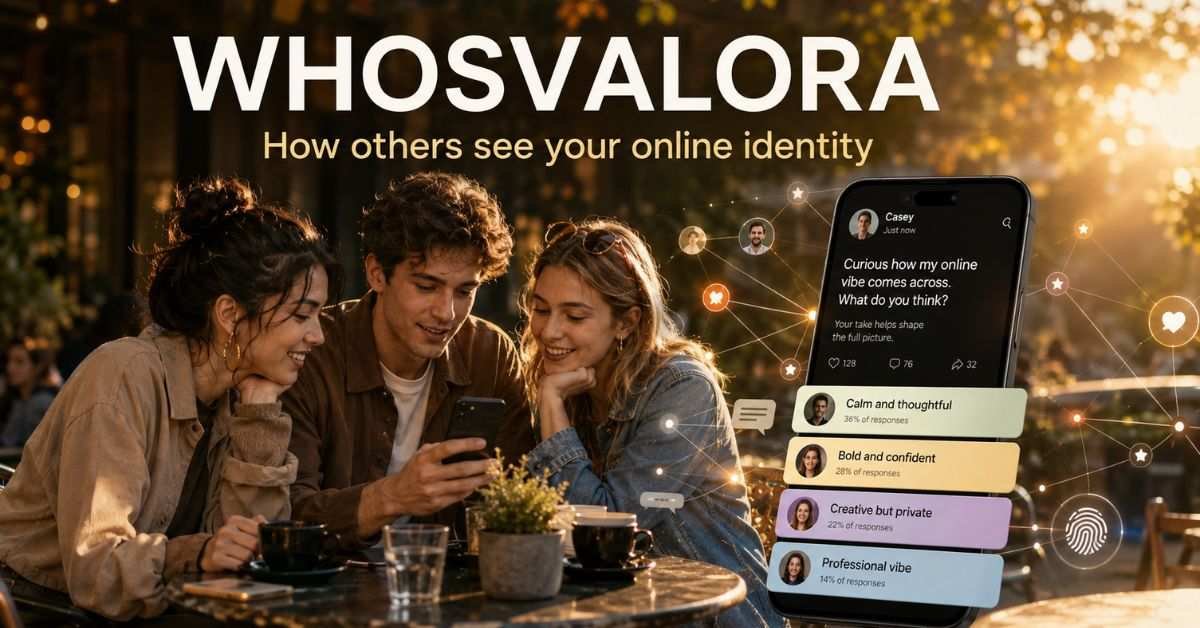
Whosvalora is a social media trend where users ask others to describe how their online personality appears to strangers. It acts like a public identity check.
Rather than asking, “How do you feel about me?” Some people frame it in interesting ways. Others respond with short descriptions such as:
- “You look calm and thoughtful.”
- “Your page feels bold and confident.”
- “You seem creative but private.”
The idea behind whosvalora is simple:
We cannot fully see ourselves the way others see us.
This trend helps reveal that outside view. It is important to understand that it is not connected to any official brand or platform. It is just a name used for the concept of online identity reflection.
Why WhosValora Became So Popular in 2026
Personal branding is more important than ever in 2026. According to a 2026 Pew Research update, most adults say their social media presence affects career and social opportunities.
Several reasons explain why it went viral:
- First, people care more about reputation. Employers often check social profiles before hiring. Many creators earn money online. This makes digital images important.
- Second, AI search tools now summarize people’s online presence. This makes users more curious about how they appear to others.
- Third, social media rewards interactive content. When someone posts using the whosvalora concept, followers comment and engage. More engagement means more visibility.
The trend feels fun, but it also feels meaningful. It gives people insight about their digital identity in a simple way.
How WhosValora Trend Works in Social Media
The format is flexible. On each site, people use it in different ways.
- On Instagram, users post a photo and ask followers to describe the “vibe” of their profile.
- On TikTok, creators make short videos inviting comments about their digital personality.
- On LinkedIn, professionals use the idea to ask how their brand appears in a career setting.
The basic steps are easy:
- Post a prompt.
- Ask for outside impressions.
- Read and reflect on the responses.
Because it is open and creative, people can adapt it to any audience. Students, influencers, entrepreneurs, and job seekers all participate in their own way.
The Psychology Behind Online Identity Reflection
Why do people enjoy this trend?
The answer comes from a simple idea in psychology: we build our self-image partly from how others see us.
When people respond to a whosvalora post, they describe patterns they notice. These patterns can reveal things we never realized about ourselves.
For example:
- You may think your content is serious, but others see it as inspiring.
- You may think you post casually, but others see strong leadership.
This feedback can feel surprising. Sometimes it feels encouraging. Sometimes it feels uncomfortable. But either way, it creates awareness. And awareness is powerful.
Personal Branding in 2026
Personal branding means shaping how people understand you online. In 2026, everyone has a personal brand even if they never planned one.
Your personal brand includes:
- The photos you share
- The topics you post about
- The tone of your captions
- The way you reply to comments
Below is a simple comparison between how we see ourselves and how others may see us.
Intended Image vs Perceived Image
| What You Think You Show | What Others Might See |
| Confident | Arrogant |
| Quiet and focused | Distant |
| Friendly | Unprofessional |
| Funny | Not serious |
| Minimalist | Boring |
The goal of whosvalora is to reduce this gap. When you understand how others see you, you can adjust your message if needed.
Benefits of Joining the WhosValora Trend
There are real advantages to trying this digital identity exercise.
- First, it increases self-awareness. You learn which qualities stand out most in your profile.
- Second, it improves communication. If people misunderstand your goals, you can fix that.
- Third, it builds engagement. Posts based on whosvalora often receive more comments because people enjoy sharing opinions.
- Fourth, it helps career growth. Professionals can learn how their expertise appears to colleagues or recruiters.
- Finally, it encourages growth. Honest feedback can inspire positive changes.
When used wisely, It becomes more than a trend; it becomes a learning tool.
Risks and Things to Be Careful About
Not all feedback is helpful. Some comments may be harsh. Others may be wrong or unfair. Public feedback can sometimes spread quickly.
Before posting, ask yourself:
- Am I ready for honest opinions?
- Is my audience respectful?
- Do I know how to handle negative comments?
You can protect yourself by:
- Setting clear boundaries.
- Deleting harmful comments.
- Avoiding arguments.
Remember, It is meant to be reflective, not harmful. You are always in control of your profile.
How to Use WhosValora to Improve Your Personal Brand
Instead of posting publicly, you can use whosvalora privately. Ask five trusted friends or coworkers:
- What three words describe my online presence?
- What do you think people know me for?
- Would you trust me professionally based on my profile?
Look for patterns in their answers. If many people say you seem “creative,” but you want to be known as “strategic,” adjust your content. Share more educational posts. Show problem-solving skills.
Small changes can shift perception over time. Think of it as a reputation check-up. Just like a health check-up, it helps you stay aligned with your goals.
How It Compares to Other Social Media Trends
Social media often creates identity-based trends. However, It is different because it focuses on outside perception rather than self-description.
WhosValora vs Other Identity Trends
| Trend Type | Focus | Who Defines the Identity? |
| “Main Character Energy” | Self-confidence | You |
| Aesthetic Labels | Visual style | You |
| Personality Quizzes | Traits and categories | Quiz system |
| Whosvalora | Online perception | Audience |
This difference makes the trend powerful. Instead of choosing your own label, you discover how others label you. That outside view can reveal strengths and weaknesses.
The Future of Digital Identity Trends
As technology grows, online identity will become even more important. Search engines and AI tools already summarize profiles. In the future, digital reputation scores may become common.
This makes trends like whosvalora more meaningful. They teach people to think about how they appear in public spaces. We may see more structured versions of this idea, such as:
- AI-based profile summaries
- Professional brand evaluation tools
- Digital reputation reports
Even if the name changes, the core idea will stay the same: people want to understand how they are seen. And that curiosity will continue shaping social media culture.
FAQs
Is whosvalora a real person?
No, it is a viral digital identity concept, not a real individual.
Is it an app or website?
No, it is a social media trend used across platforms.
Why do people use it?
They use it to understand how others view their online presence.
Can it help with personal branding?
Yes, it can reveal strengths and areas for improvement.
Is it safe to participate in whosvalora?
Yes, but only if you are prepared for honest feedback and set boundaries.
Conclusion
In 2026, your online presence shapes how people see you. Whether you are a student, creator, or professional, your digital identity matters. Whosvalora became popular because it answers a simple but powerful question:
“How do I look from the outside?”
By asking others to describe your online vibe, you gain insight into your personal brand. You learn what stands out. You see gaps between intention and perception. Most importantly, you gain awareness. You don’t need to follow every trend. But understanding whosvalora can help you grow online in a smart way.
If you want to strengthen your digital image, start today. Ask a few trusted people how your profile feels to them. Listen carefully. Then improve with purpose. Your online identity is always evolving. Make sure it tells the story you truly want to share.