

Introduction
Education in 2026 looks very different from what it did just a few years ago. Many students now use tablets instead of textbooks. Teachers use smart boards instead of chalkboards. But even with all this technology, some classrooms still struggle with low engagement and learning gaps.
Students learn at different speeds. Some need extra help. Others need more advanced lessons. Teachers often do not have enough time to give every student personal attention. This is where Classroom 30x is making a big difference.
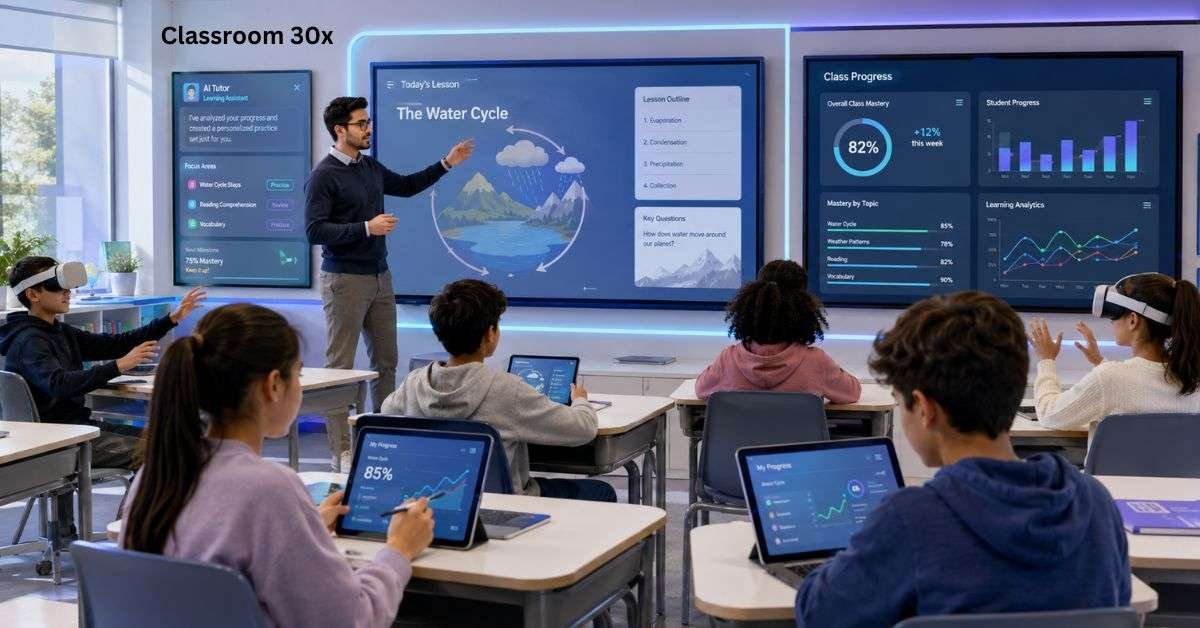
Classroom 30x is a modern learning system that uses artificial intelligence (AI), virtual reality (VR), and real-time data to improve education. It helps teachers teach better and helps students learn in ways that match their needs. In this guide, you will learn what Classroom 30x is, how it works, its benefits, and why many schools are adopting it in 2026.
What is Classroom 30x?
Classroom 30x is an advanced digital learning environment that combines smart software, immersive tools, and live performance tracking. It is not just one app or device. It is a complete system designed to improve how lessons are delivered and understood. In simple words, It uses technology to make learning more personal, interactive, and effective. Instead of giving the same lesson to every student in the same way, the system adjusts lessons based on each student’s progress.
If a student struggles with math, the platform provides extra practice. If another student learns quickly, it offers more challenging tasks. This smart adjustment makes learning smoother and less stressful. Schools using Classroom 30x report better student participation and stronger test results in 2026. Many districts are adopting it to prepare students for a digital future.
How AI Personalizes Learning
Artificial intelligence is the “brain” behind Classroom 30x. AI studies how students answer questions, how long they spend on tasks, and where they make mistakes.
Based on this information, the system:
- Adjusts lesson difficulty
- Suggests review materials
- Provides instant feedback
For example, if a student keeps missing grammar questions, the AI may show short grammar videos or practice quizzes. If a student does their science work quickly and correctly, the system might let them move on to more difficult topics. This kind of personalization helps students feel supported instead of frustrated.
According to 2026 education reports, AI-based learning tools have improved course completion rates in many middle schools. Students stay engaged because lessons match their level. Teachers also receive smart suggestions. The system highlights which students may need extra help so teachers can step in early.
Virtual Reality Makes Learning Real
Imagine studying ancient Egypt by walking inside a virtual pyramid. Or learning biology by traveling inside the human heart. That is what VR learning can do. Classroom 30x includes immersive experiences through virtual and augmented reality tools. These tools allow students to explore places and ideas in a 3D environment. Instead of only reading about volcanoes, students can see one erupt in a safe virtual simulation.
This makes lessons exciting and easier to remember. Studies updated in 2026 show that immersive learning increases memory retention compared to traditional lectures. When students “experience” a lesson, they understand it better.
VR also helps in subjects like:
- Science experiments
- History reenactments
- Engineering simulations
This approach turns passive learning into active discovery.
Real-Time Analytics for Smarter Teaching
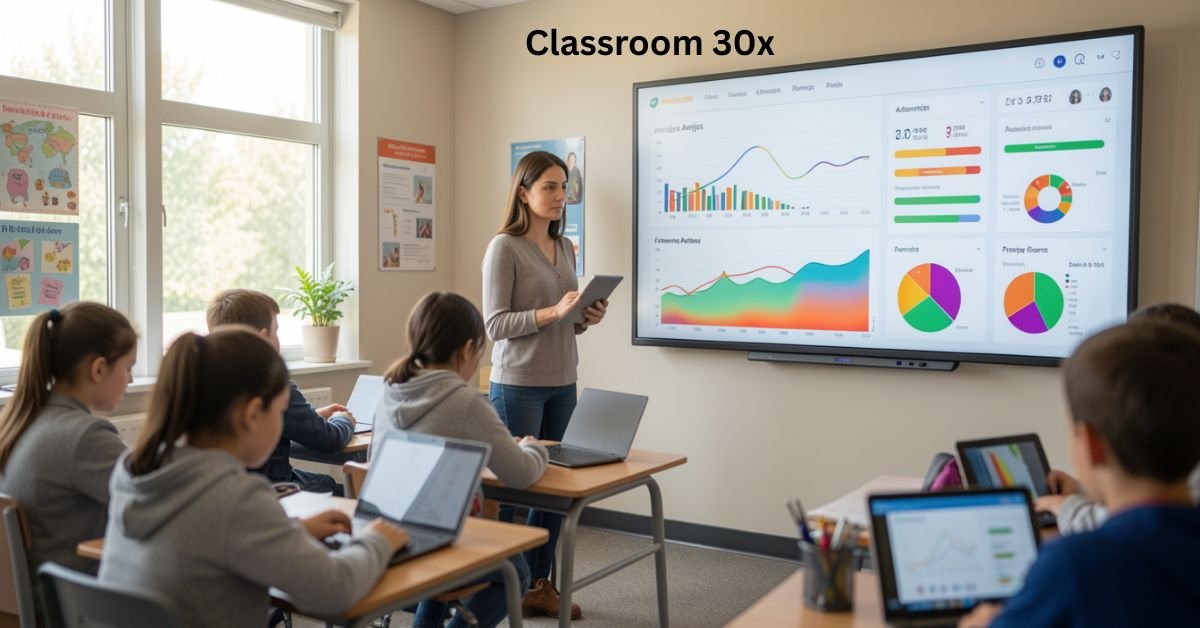
Data plays a big role in modern education. It gives teachers live dashboards that show how students are performing.
These dashboards can display:
- Quiz scores
- Participation levels
- Assignment completion
- Learning progress
Instead of waiting for end-of-term exams, teachers can see problems right away. If several students struggle with the same topic, the teacher can review it the next day. If one student shows a drop in performance, the teacher can provide support early. Below is a comparison of traditional classrooms and smart learning systems.
Traditional Classroom vs Classroom 30x
| Feature | Traditional Classroom | Classroom 30x |
| Lesson Style | Same for all students | Personalized for each student |
| Feedback Speed | Days or weeks later | Instant |
| Student Engagement | Mostly passive | Interactive and immersive |
| Performance Tracking | Limited tests | Real-time data tracking |
| Learning Pace | Fixed | Flexible |
This real-time insight makes teaching more effective and reduces surprises during exams.
Benefits for Teachers
Teachers often spend many hours grading papers and preparing lesson plans. Classroom 30x helps reduce this workload through smart automation. The system can grade quizzes automatically and even suggest feedback comments. It also helps organize lesson schedules and track attendance. With less time spent on repetitive tasks, teachers can focus more on guiding students and building strong classroom relationships.
In 2026, many educators say that AI-supported tools reduce stress and improve work-life balance. Instead of replacing teachers, technology acts as a helpful assistant. Teachers remain the leaders of the classroom. The technology simply makes their job easier and more efficient.
Benefits for Students
Students benefit the most from personalized and interactive learning. When lessons match their pace, students feel more confident. They are less likely to fall behind or feel bored. Classroom 30x supports different learning styles. Some students learn best through videos. Others prefer reading or hands-on activities. The system offers multiple formats so every learner can succeed.
Students also receive immediate feedback. Instead of waiting for a graded paper, they know right away if they answered correctly. This instant response helps them correct mistakes and learn faster. Many schools report improved attendance and stronger motivation when using Classroom 30x.
Technology Requirements in 2026
To use Classroom 30x successfully, schools need reliable technology. This usually includes high-speed internet, cloud storage, and compatible devices such as laptops or tablets. Some schools also invest in VR headsets for immersive lessons. However, schools do not need to change everything at once. Many start with a small pilot program in one grade level before expanding.
Government programs and digital learning grants in 2026 help schools upgrade their systems. With proper planning, even public schools can adopt modern classroom technology. Training teachers is just as important as installing new hardware. When educators understand how to use the tools, results improve quickly.
Data Privacy and Safety
Whenever technology collects student information, privacy is important. Classroom 30x systems are designed to follow student data protection laws. Schools use secure servers and encryption to protect sensitive information. Parents often ask if student data is safe. The answer depends on proper setup and compliance with national education guidelines.
Schools should always:
- Use secure passwords
- Limit data access
- Regularly update software
When handled correctly, digital classrooms can be just as safe as traditional systems.
Real Results from Smart Classrooms
Schools using Classroom 30x in 2026 report noticeable improvements in engagement and performance. Here is a simple overview of common results seen after implementation.
Reported Improvements After Using Classroom 30x (2026)
| Area of Improvement | Average Increase |
| Student Engagement | 25% |
| Assignment Completion | 20% |
| Course Pass Rates | 18% |
| Teacher Efficiency | 30% time saved |
These numbers show why many education leaders are interested in upgrading their systems. Students participate more actively. Teachers spend less time grading. Schools see measurable academic growth.
The Future of Classroom 30x
Education continues to evolve. In the near future, It may include emotion-detection tools that adjust lessons based on student focus levels. Global virtual classrooms may allow students from different countries to collaborate in shared VR spaces. Artificial intelligence will become even more accurate at predicting learning needs.
Career guidance tools may help students explore future job paths based on their strengths. The goal is not just better grades. The goal is preparing students for a world where digital skills, creativity, and critical thinking are essential. As technology improves, classrooms will become more flexible, interactive, and supportive.
FAQs
What is Classroom 30x used for?
It is used to personalize learning, track student progress, and create immersive educational experiences.
Does it replace teachers?
No, it supports teachers by automating tasks and providing helpful insights.
Is virtual reality safe for students?
Yes, when used properly and supervised, VR is safe and educational.
Can small schools afford it?
Many schools start small and use grants or phased rollouts to manage costs.
Does it improve grades?
Many schools report higher engagement and improved pass rates after using it.
Conclusion
Education in 2026 is smarter, faster, and more interactive than ever before. Students need lessons that match their pace and keep them interested. Teachers need tools that save time and provide clear insights. Classroom 30x brings together artificial intelligence, virtual reality, and real-time analytics to create a powerful learning environment.
It helps students stay engaged, supports teachers with automation, and gives schools useful performance data. As more schools adopt it, classrooms are becoming more personalized and future-ready. If your school is exploring new technology, now may be the perfect time to consider how smart learning systems can transform education for the better.