

Introduction
Have you ever spent hours searching for one image in a sea of thousands? Have you ever struggled to manage photos across teams, devices, and clients? In 2026, visual content is growing faster than ever. According to recent industry data from Statista (2026), over 2.5 trillion photos are expected to be shared globally this year alone. That’s an overwhelming volume for creators, marketers, and businesses.
This is where photoackmp steps in. It combines artificial intelligence, smart organization, collaboration tools, and deep analytics into one powerful ecosystem. Instead of manually tagging, sorting, and guessing what works, users can now rely on intelligent automation and real-time insights.
In this guide, we’ll explore how photoackmp AI-powered platform is changing digital asset management, improving creative workflows, and helping brands tell better visual stories. We’ll also compare photoackmp with traditional tools, analyze current trends in 2026, and provide actionable tips to help you make the most of it.
The Evolution of Visual Storytelling
Visual storytelling has changed dramatically over the last decade. In the early 2010s, photos were stored in folders. By the 2020s, businesses had adopted Digital Asset Management (DAM) systems. In 2026, AI-powered platforms are leading the next wave. Why the shift?
Because audiences expect:
- Faster content delivery
- Personalized visuals
- Consistent branding across platforms
Traditional systems required manual tagging and human sorting. Today’s AI tools automatically recognize faces, objects, text, and even emotions inside images. According to a 2026 report from Forbes Tech Council, companies using AI-based asset systems see up to 40% faster content production cycles. That means quicker campaigns and higher engagement.
The key takeaway: Visual storytelling is no longer about just storing images. It’s about understanding them.
What Makes AI-Driven Organizations So Powerful?
One of the biggest challenges for creators is organization. AI-powered categorization changes everything. Instead of manually adding tags, the system can:
- Detect objects and scenes
- Identify brand logos
- Group similar images
- Suggest metadata automatically
Imagine uploading 5,000 photos from a product shoot. Within minutes, the platform organizes them by color, mood, product type, and usage rights.
Traditional vs AI-Powered Image Organization (2026)
| Feature | Traditional DAM | AI-Driven Platform |
| Tagging | Manual | Automated & Smart |
| Search Speed | Keyword-based | Contextual & Visual |
| Duplicate Detection | Limited | Advanced AI Matching |
| Content Recommendations | None | Predictive Suggestions |
| Time Efficiency | Low | High |
This type of automation saves hours every week. Photoackmp also reduces human error. When systems understand images at a deep level, search becomes instant and accurate.
Smart Collaboration for Modern Teams
Creative teams are no longer in one office. In 2026, remote and hybrid work is standard. This situation creates a need for seamless collaboration.
Modern visual platforms allow:
- Real-time commenting on images
- Version control tracking
- Role-based permissions
- Shared cloud libraries
Instead of emailing files back and forth, teams work in a shared environment. Designers, marketers, and clients can see updates instantly.
This improves:
- Workflow transparency
- Project turnaround time
- Brand consistency
For agencies managing multiple clients, this feature is critical. It avoids confusion and reduces revision cycles.
Analytics That Turn Images into Insights
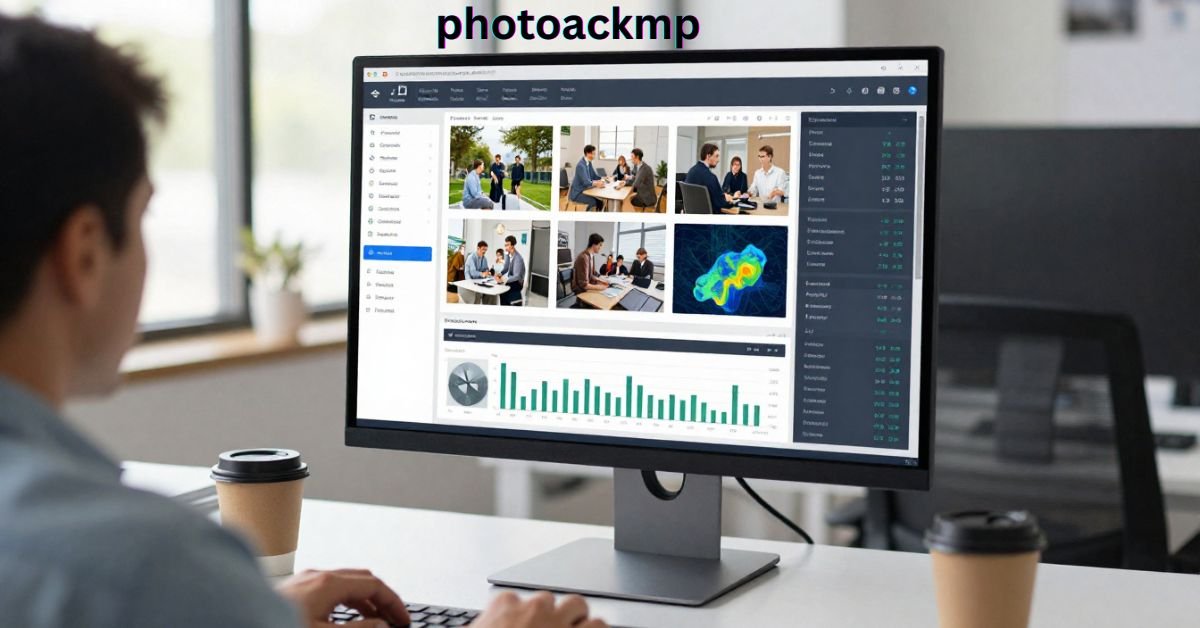
Photos are not just creative assets; they are data sources. Advanced analytics tools track:
- Engagement rates by image type
- Color performance trends
- Audience behavior patterns
- Conversion rates tied to visuals
For example, a brand might discover that lifestyle images outperform product-only photos by 28% in 2026 social campaigns.
These insights help teams:
- Make smarter design decisions
- Improve ROI
- Personalize campaigns
Instead of guessing what works, creators rely on measurable data.
How It Differs from Conventional DAM Systems
Many businesses still use older digital asset management tools. But AI platforms go further.
Feature Comparison in 2026
| Capability | Legacy DAM | Modern AI Visual Platform |
| Cloud-Native | Partial | Fully Cloud-Based |
| AI Image Recognition | Basic | Advanced Deep Learning |
| Collaboration Tools | Limited | Integrated & Real-Time |
| Performance Analytics | External Tools Required | Built-In Dashboard |
| Automation | Minimal | High-Level Automation |
Legacy systems were built for storage. New platforms are built for strategy. They don’t just manage content; they optimize it.
Security, Privacy, and Compliance in 2026
With increasing data regulations, security is critical. According to the U.S. Federal Trade Commission (FTC.gov, 2026), businesses must ensure transparency in digital data handling. AI-based platforms now include:
- End-to-end encryption
- GDPR and global compliance tools
- Secure access controls
- Audit trails
For enterprises, this reduces risk. For creators, it builds trust. Security is not optional anymore; it’s foundational.
Real-World Use Cases Across Industries
This technology is not just for photographers. Photoackmp supports many industries:
- E-commerce:
Product catalogs are auto-tagged and optimized for search. - Healthcare:
Secure management of medical visuals with compliance. - Education:
Organizing digital learning materials and media assets. - Media & Publishing:
Automated tagging enables faster newsroom workflows.
These examples show how AI-based visual systems support both creativity and structure.
SEO and Discoverability Benefits
Search engines are becoming more visual. Google Lens and AI search tools prioritize image context. Properly structured images with metadata improve their ranking.
Benefits include:
- Higher image search visibility
- Faster indexing
- Better alt-text suggestions
- Improved accessibility
According to Google Search Central (2026), structured metadata improves image indexing efficiency by up to 30%. This directly supports digital marketing goals.
Integration with Modern Tech Stacks
In 2026, no platform works alone. Modern visual systems integrate with:
- CMS platforms
- E-commerce stores
- Social media schedulers
- CRM tools
APIs allow seamless data flow. For example, product images can sync automatically from storage to an online store. This reduces manual work and ensures brand consistency.
For deeper insight, you can also explore our guide on AI-powered marketing automation and cloud-based collaboration tools (internal links).
Future Trends in AI Visual Platforms
Looking ahead, visual technology continues to evolve. Emerging trends in 2026 include:
- AI-generated image recommendations
- Emotion recognition analysis
- Predictive campaign modeling
- Voice-based image search
We may soon see systems that suggest which image to use before a campaign launches, based on past performance data. The future is proactive, not reactive. As AI grows more accurate, storytelling will become more strategic and data-backed.
FAQs
What is photoackmp used for?
It helps organize, analyze, and manage visual content using AI technology.
Is photoackmp suitable for small businesses?
It works for small teams and large enterprises because it includes expandable features.
How does AI improve image search?
AI recognizes objects, faces, and context, making searches faster and more accurate.
Can teams collaborate in real time?
Yes, users can comment, edit, and manage versions within a shared workspace.
Does photoackmp support SEO?
Yes, it enhances image metadata and tagging to improve search visibility.
Conclusion
In 2026, managing visual content is no longer just about storage. It’s about intelligence, speed, and strategy. Photoackmp represents the shift toward AI-driven organization, smarter collaboration, and actionable analytics.
From automated tagging to real-time team workflows and performance dashboards, this technology helps creators and businesses stay competitive in a fast-moving digital world. If your team struggles with scattered image libraries, slow approvals, or unclear performance data, now is the time to explore AI-powered solutions.