


Introduction
Have you heard of Anheihe? While it may sound unfamiliar to many in the U.S., Anheihe is a place with deep cultural roots, fascinating traditions, and historical significance. Situated in a region that has preserved its way of life over centuries, It isn’t just a location; it’s a lifestyle, a memory of ancient values, and a symbol of living heritage.
In 2026, as the world becomes more connected, people seek meaningful travel experiences, spiritual understanding, and cultural bridges. It offers all of that and more. Whether you’re interested in traditional crafts, history, or how community life thrives away from the modern rush, this region invites you to explore far beyond the typical tourist trail.
Let’s take a deep dive into the heart of it, exploring its customs, people, land, and beauty to discover why this cultural hub deserves global attention.
What is Anheihe?
Anheihe refers to a regional area often overlooked by mainstream media known for its deep cultural ties, quiet beauty, and strong community values. It stands out not only geographically but also for its essence and uniqueness.
Unlike rapidly modernizing cities, It preserves its history. Children learn traditional skills, families pass down stories, and visitors experience an immersive way of life.
There’s no single map point for it; it’s part physical place, part cultural identity, much like how older civilizations would define strongholds of community and identity.
Why It Matters:
- Connects us to forgotten traditions
- Celebrates living culture
- Offers authentic, non-commercial experiences
The Cultural Roots in It
Culture forms the soul of it. Language, rituals, dress, and storytelling preserve its traditions, passed down through generations. Unlike tourist-savvy cultures focused on performance, Anheihe’s are lived every day.
Key Cultural Features:
- Oral storytelling in local dialects
- Art forms such as wood carving and hand weaving
- Respect for elders and ancestry
It’s culture teaches balancing nature with people, history with the future, and silence with wisdom. You don’t just observe Anheihe: you feel it.
Local Traditions that Still Thrive
It has managed to preserve authenticity amidst the rapid advancements in technology and social media. Here are some local practices still alive and well in 2026:
- Seasonal rituals mark harvests, solstices, and spiritual transitions.
- Handmade clothing represents age-old symbolism.
- Local songs and dance survive without modernization.
These traditions are not ‘for show.’ Locals deeply identify with their history, and they maintain customs as part of spiritual and daily life.
Examples of Thriving Traditions in it
| Tradition | Description | Modern Relevance |
| Moon Harvest Festival | Celebrates unity with food and dance | Encourages local tourism focus |
| Ancestral Cleansing | Ritual honoring the past | Teaches respect for family lineage |
| Night Craft Sessions | Village gathers to make traditional goods | Sustains cultural economy |
Geography and Natural Beauty
It is wrapped in environmental beauty from fertile fields to flowing rivers and sacred forests. Its unique geography shapes life and culture. Located along temperate hillsides and fertile valleys, people here build in harmony with the land. This geography allows for:
- Seasonal farming cycles
- Clean living from mountain springs
- Protection from urban pollution
Natural landscapes in Anheihe help preserve not only ecology but also identity.
Fun Fact: Some trees here are over 700 years old and considered sacred!
Architecture and Traditional Housing
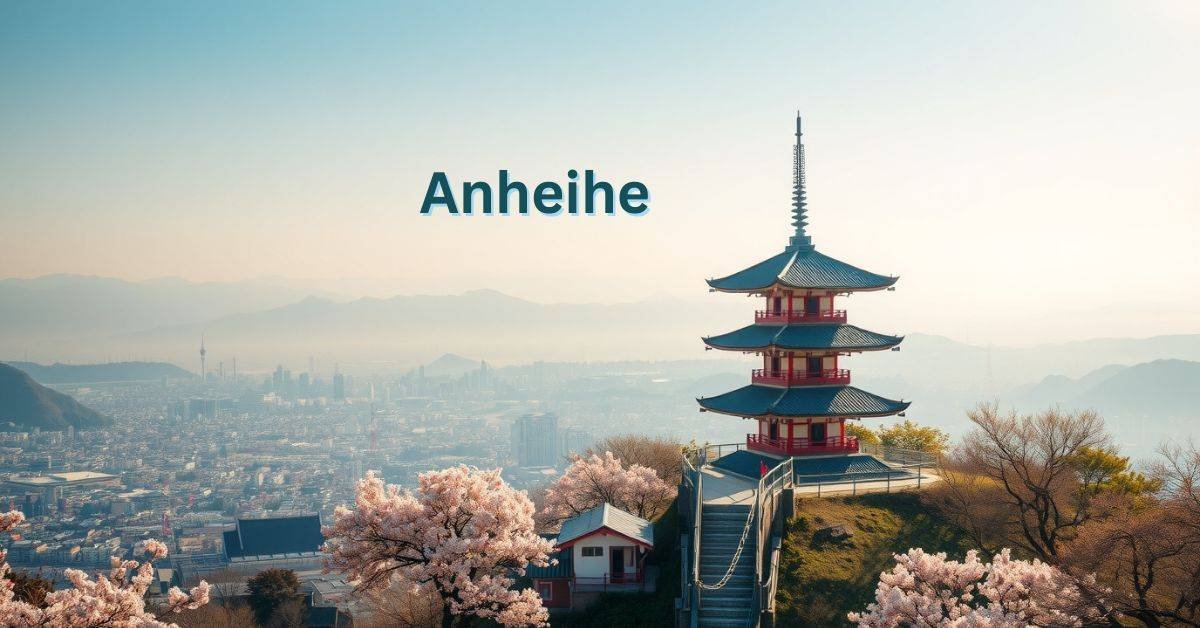
It’s homes might surprise you. At first glance, they may appear simple, made of earth, stone, and wood, but every porch, roof angle, and window is built with intention.
Common Architectural Features:
- South-facing homes for warmth
- Thick clay structures for temperature control
- Kitchens at the heart of the home: family-focused design
What makes this more fascinating? These buildings last for generations; they’re sustainable, self-cooling, and resilient.
Celebrations and Festivals in Anheihe
Every season brings joy in it. Festivals are not just about colors and lights they connect people, mark gratitude, and preserve unity.
Top Celebrations:
- Spring Blossom Rites—honoring life renewal
- Ancestor Fire Nights—remembering elders
- Children’s Earth Day—engaging the young generation in conservation
These events are so strong that locals walk for days to attend.
The Role of Family and Community
Community is crucial to Anheihe. Celebration of shared life sets it apart in today’s fractured culture.
Here’s how community plays a role:
- Shared farming duties
- Communal meals
- Cooperatives for handcrafts and sales
- Elders as advisors and storytellers
These close bonds help reduce crime, increase happiness, and even help younger generations stay connected to their land and legacy.
Fun Insight: Divorce rates in this region are less than 5%; stability is rooted in values!
Food Culture in it
Its Food is both nourishment and expression. Meals are made from local, organic ingredients and shared communally.
You’ll find:
- Lentil and root vegetable stews
- Hand-ground grain breads
- Fermented side dishes full of probiotics
Another special tradition: Cooking is considered a spiritual act, especially during seasons of change.
Unique Local Foods and Their Cultural Significance
| Dish Name | Ingredients | Cultural Meaning |
| Skyroot Stew | Tuber, garlic, bone broth | Known as the “unity meal” |
| Nightflower Tea | Wild herbs, forest blooms | Used in emotional healing rituals |
| Anheihe Flatbread | Oats, stone-crushed salt | Shared during communal gatherings |
Conservation Efforts and Cultural Preservation
As modernization spreads, many cultural areas fight for survival. But Anheihe has found ways to grow without giving up its roots.
Sustainability Actions in 2026:
- Local universities now study it’s farming techniques for modern use.
- Youth are trained in eco-tours to protect and share natural spaces.
- NGOs are partnering with elders to document oral traditions.
This mix of old and new helps Anheihe remain strong in identity while adapting to global concerns like climate change and migration.
Why It Matters Today in 2026
In a time when the world searches for meaning beyond screens, It offers something rare: consistency, values, and balance with nature.
Why It’s Culturally Important to the World:
- Shows how lifestyle and nature coexist
- Provides models for sustainable community living
- Keeps traditions alive without commercial dilution
Even if you never visit, learning from Anheihe can shift how you live to be more connected, mindful, and rooted in belonging.
FAQs
Is it a real place or symbolic?
It refers to both a real region and a cultural identity.
Can tourists visit Anheihe?
Yes, but tourism is carefully managed to protect its authenticity.
Is English spoken in Anheihe?
Most people speak local dialects, although younger generations are learning English for cultural exchange.
What’s the best time to visit?
Spring and fall during festivals and planting/harvest seasons.
What makes it different from other cultural villages?
Its traditions are lived daily, not just performed for visitors.
Conclusion
Anheihe is not just a destination; it’s a mirror into a different way of life, one that values roots over rush, family over fame, and tradition over trends. In 2026, as more people feel overwhelmed by noise and speed, learning from places like Anheihe can remind us of what really matters.
Whether you’re planning a cultural exploration, writing a school essay, or simply seeking inspiration, let it guide you toward a world where history is alive and meaningful living still exists.