

Introduction
Have you ever come across the word “cholerhiasis” while reading about stomach pain, diarrhea, or gallstones? If so, you might have felt confused, and that’s totally normal!
The truth is, cholerhiasis is not actually a real medical word used by doctors today. But many people still use it when they’re trying to talk about problems in the digestive system, especially those related to gallstones or severe diarrhea, like in the disease called cholera.
In this article, we’ll explain what people actually mean when they say cholerhiasis, how to understand the two main health problems it’s often confused with, and how they are diagnosed, treated, and prevented. Whether you’re a patient, a parent, or just curious, this guide is here to help you understand the facts in a simple and clear way.
What Does “Cholerhiasis” Really Mean?
Doctors don’t officially recognize “cholerhiasis” as a medical diagnosis. It’s most likely:
- The term may have been misspelled or confused with cholelithiasis, the medical term for gallstones.
- This could be a mistake for cholera, an infectious disease that causes life-threatening diarrhea.
- This is an outdated term associated with bile, a crucial digestive fluid.
So any time you see or hear someone say they have “cholerhiasis,” it’s important to figure out what they really mean. It’s usually one of these two things:
- Gallstones in the gallbladder or bile ducts
- A bacterial infection like cholera
Let’s dive into both so you can tell the difference and know what to do about them.
What Are Gallstones?
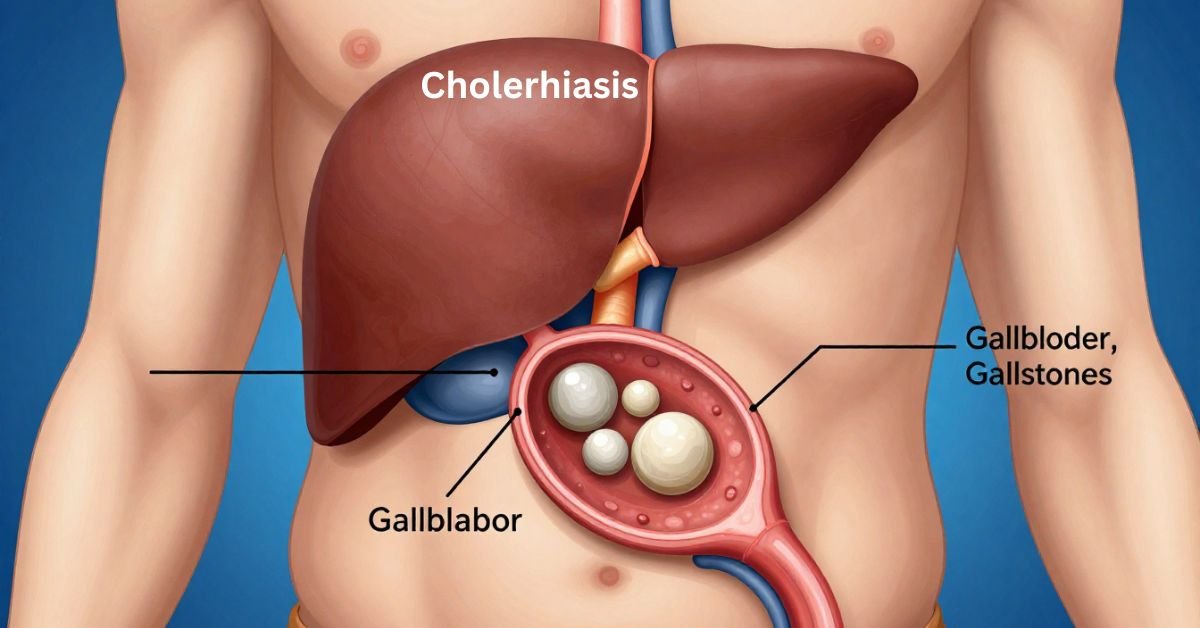
Gallstones are small, rigid objects that form in your gallbladder, a small pouch under your liver. The gallbladder stores bile, which your body uses to digest fats.
Sometimes, bile becomes unbalanced (too much cholesterol or bilirubin) and forms stones. These stones can stay in the gallbladder or move into the bile ducts, where they cause pain and block the flow of bile. When such an event happens, infection and inflammation can occur.
This condition is called:
- Cholelithiasis if stones are in the gallbladder.
- If the stones are located in the bile ducts, the condition is known as choledocholithiasis. (Some mistakenly call this “cholerhiasis.”)
What Is Cholera?
Cholera is a serious infection of the intestines, caused by the Vibrio cholerae bacteria. It spreads through dirty water or food and causes sudden, watery diarrhea, which can lead to severe dehydration.
Without quick treatment, cholera can become life-threatening in just a few hours.
Even though cholera and gallstones are completely different, some people mix them up because of the similar-sounding names like “choler,” “chole-,” or “cholerhiasis.”
Side-by-Side Comparison
Here is a table comparing the two health issues that “cholerhiasis” often refers to:
| Feature | Gallstone Problems (Cholelithiasis/Choledocholithiasis) | Cholera (Infectious Diarrhea) |
| Main Cause | Bile imbalance in gallbladder or bile ducts | Infection from Vibrio cholerae bacteria |
| Common Symptoms | Pain in upper right belly, nausea, jaundice | Severe watery diarrhea, vomiting |
| Urgency | Moderate to high (if ducts are blocked) | Very high – can be deadly if untreated |
| Treatment | Surgery, ERCP, pain meds, lifestyle changes | Rehydration, antibiotics, clean water |
| Prevention | Healthy diet, weight control | Better hygiene and sanitation |
Symptoms to Watch For
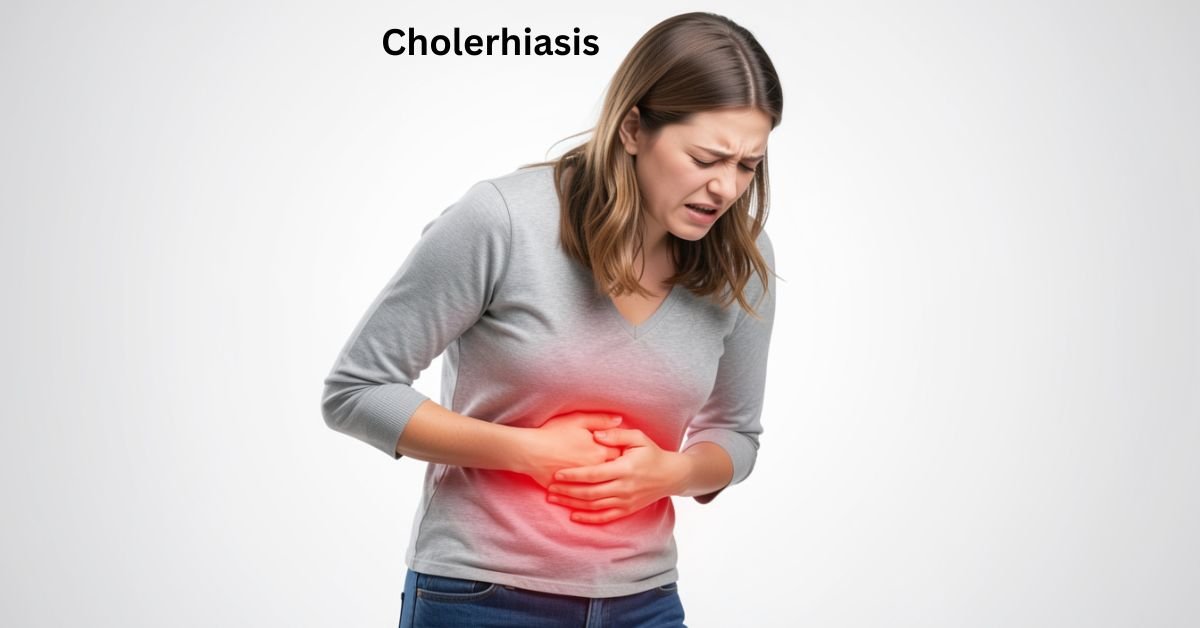
If someone says they have “cholerhiasis,” help them look for symptoms to figure out the real issue.
Symptoms of Gallstones:
- Sudden pain in the upper right abdomen (especially after fatty meals)
- Pain spreading to the back or right shoulder
- Nausea or vomiting
- Yellow skin or eyes (jaundice)
- Fever or chills (if infection starts)
- Dark urine, light-colored stools
Symptoms of Cholera:
- Sudden, profuse watery diarrhea (“rice water” in appearance)
- Vomiting
- Dry mouth, sunken eyes
- Very thirsty
- Low urine output
- Weakness or dizziness
- It can lead to shock or even death if not treated quickly.
How Are These Conditions Diagnosed?
Doctors use different tools to correctly find out what’s wrong:
For Gallstones:
- Ultrasound to see stones clearly
- CT scan or MRI to check for blockages
- ERCP a special procedure using a scope to look inside the bile ducts and remove stones
- Blood tests to check for infections or liver problems
For Cholera:
- Stool tests to check for Vibrio cholerae bacteria
- Observation of very watery diarrhea, especially in outbreaks
- Electrolyte and fluid loss check: doctors often monitor dehydration closely.
Treatment Options
Gallstone Treatment:
-
- If no symptoms: Often no treatment needed.
- If there are mild symptoms: Pain medications, diet changes.
- If severe or repeated:
-
- Surgery to remove the gallbladder (called cholecystectomy).
- ERCP to remove stones from bile ducts.
- Stents to open blocked ducts (in rare cases).
Cholera Treatment:
- Immediate rehydration is key using Oral Rehydration Solution (ORS) or IV fluids.
- Antibiotics for severe cases.
- Zinc supplements for children.
- Clean water and sanitation to prevent spreading.
Home Care Tips
For Gallstones:
- Eat fewer fatty, fried foods.
- Drink lots of water.
- Eat smaller meals.
- Add more fiber (fruits, veggies, and grains).
- Avoid sudden weight loss.
For Cholera:
- Always boil or treat drinking water.
- Wash hands with soap.
- Stay hydrated during recovery.
- Use ORS if experiencing diarrhea.
Preventing These Conditions
Healthy habits can lower your chance of getting gallstones or catching cholera.
| Prevention Tip | Helps With Gallstones | Helps With Cholera |
| Drinking safe, clean water | ❌ | ✅ |
| Eating a healthy, low-fat diet | ✅ | ❌ |
| Regular exercise | ✅ | ❌ |
| Handwashing & sanitation | ❌ | ✅ |
| Avoid sudden weight loss | ✅ | ❌ |
| Routine check-ups | ✅ | ✅ (if in high-risk area) |
Common Misunderstandings
“Cholerhiasis is a real disease.”
Not quite; it’s not a real medical term. It’s usually a mistake for either cholera or gallstones.
“Gallstones always need surgery.”
Not always. You might not need therapy if you don’t have any symptoms.
“Antibiotics cure cholera completely.”
Antibiotics help, but the most important treatment is fluid replacement.
“I can pass gallstones naturally.”
Small stones may pass, but most need medical help, especially if they cause blockage.
Real-Life Stories (Examples)
Case 1:
Jane, a 45-year-old woman, searched for “cholerhiasis” after having stomach pain after meals. She felt sharp pain in the upper right side and noticed that her skin looked yellow. Her doctor did an ultrasound and found gallstones. Jane had her gallbladder removed and feels fantastic now.
Case 2:
In a rural village, heavy rains flooded the local water supply. Soon, many people had diarrhea and vomiting. Doctors quickly set up rehydration stations when they realized it was a cholera outbreak. Clean water systems and vaccines were also brought in.
FAQs
Is cholerhiasis the same as cholera?
No. Cholera is an infection. “Cholerhiasis” is usually a misuse of words.
Can I prevent gallstones?
Yes! Eat healthy, exercise, and don’t skip meals.
Is surgery always needed for gallstones?
Surgery is only necessary when gallstones cause pain or other problems.
What’s the biggest danger in cholera?
Dehydration can be deadly without treatment.
Should I worry if I see “cholerhiasis” online?
Don’t panic, but reach out to a doctor for clear advice about your symptoms.
Conclusion
In conclusion, while “cholerhiasis” is not a recognized medical term, understanding the conditions it is often confused with, gallstone-related diseases and cholera, is important for getting the right care. Gallstones can cause pain, infection, or other digestive issues, especially when they block bile flow, while cholera is a serious bacterial infection that causes life-threatening dehydration.
Knowing the differences in symptoms, how they are diagnosed, and when to seek treatment can help prevent serious complications. By learning the facts and avoiding confusion, patients and caregivers can make smarter decisions for their health and well-being.